
Compare: Lovable
Paazaa vs Lovable for AI-built websites and business workspaces
Lovable focuses on building apps and websites from prompts. Paazaa should compete where a business needs managed website publishing, templates, CMS, forms, domains, marketplace installs, and ongoing operations after generation.
Starting point
Post-launch
Business fit

Lovable focuses on building apps and websites from prompts. Paazaa should compete where a business needs managed website publishing, templates, CMS, forms, domains, marketplace installs, and ongoing operations after generation.
Compare: LovableExecution model
A cleaner path from lovable to Paazaa
The page should explain the offer, capture the right next action, and give the team enough structure to improve it after launch.
Audit the lovable setup
Start by naming what works today and what creates drag. The common tradeoff is prompt-driven app and website generation, while Paazaa focuses on ai website generation inside a managed publishing and business workspace.
Map the content and workflow gaps
Compare the content model, publishing path, forms, follow-up, and owner controls. The goal is to move from prototype and iterate from natural language to publish, update, capture leads, manage content, and improve seo pages.
Launch the connected workspace
Use the switch to reduce app-like builds and experimental products and keep small business websites, vertical templates, cms, forms, and marketplace workflows visible after the public site is live.
Readiness checklist
Checks before moving from lovable
These checks keep the page from becoming a thin landing page with no operational follow-through.
Current stack audit
Document the live lovable pages, plugins, integrations, forms, checkout paths, and content ownership before making the switch.
Workspace migration map
Decide which pages, content models, forms, products, analytics events, and automations should move together so the new site starts as an operating workspace.
Launch and improvement loop
Keep redirects, SEO metadata, page ownership, follow-up, and analytics visible after launch so the comparison turns into a cleaner operating model.
Core capabilities
Capabilities to compare beyond page design
These capabilities turn compare: lovable from a page idea into a working path for visitors, content owners, and operators.
01
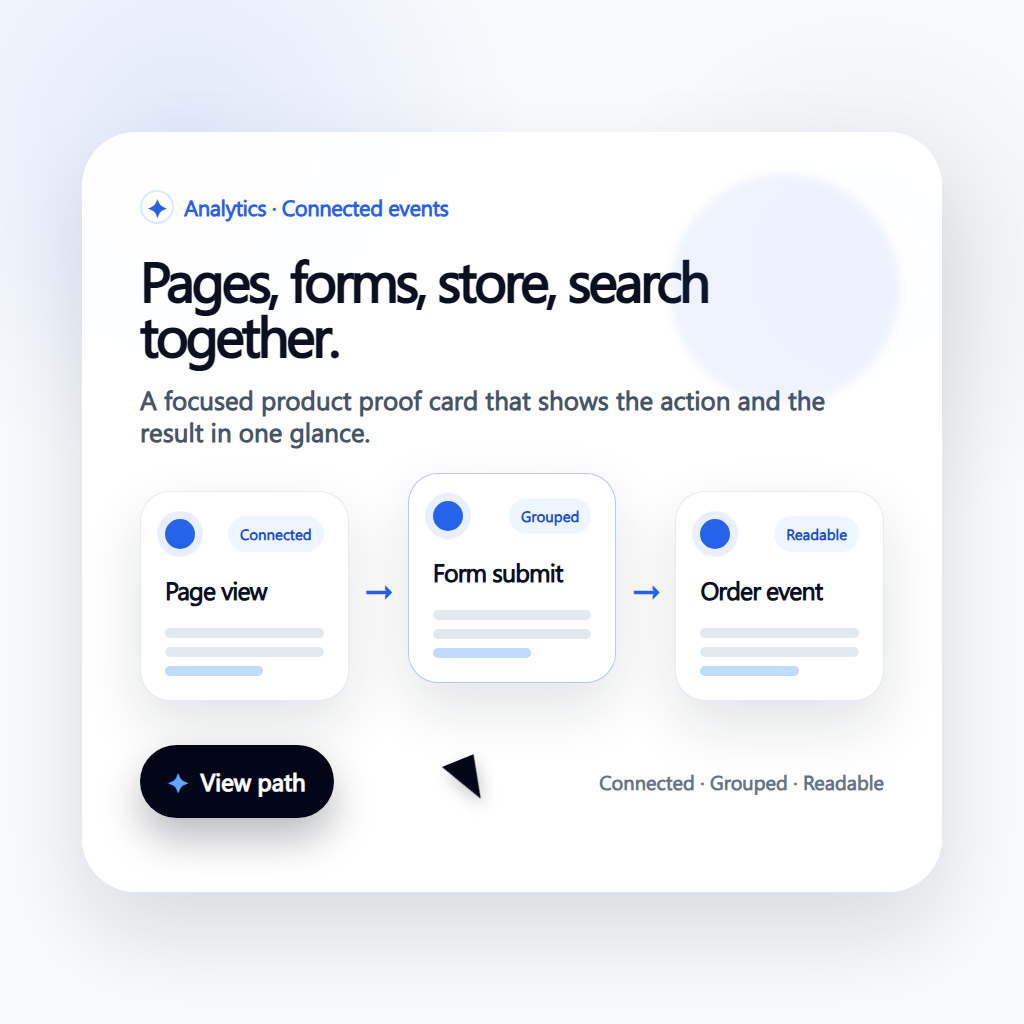
Managed Website Foundation
Generate and improve websites inside a product system built for publishing, domains, templates, and business content.
02
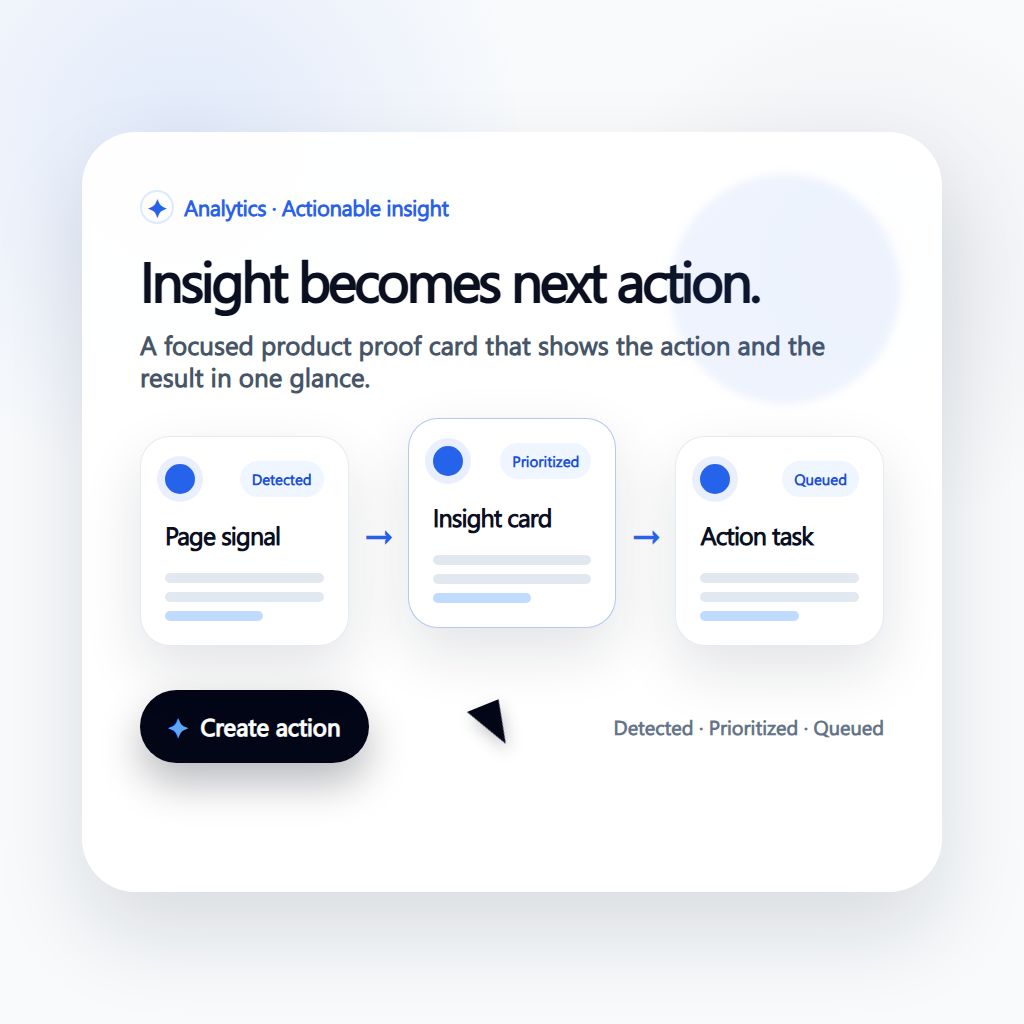
Business-Ready Surfaces
Keep forms, CMS, marketplace products, store paths, and analytics connected to the public site.
03
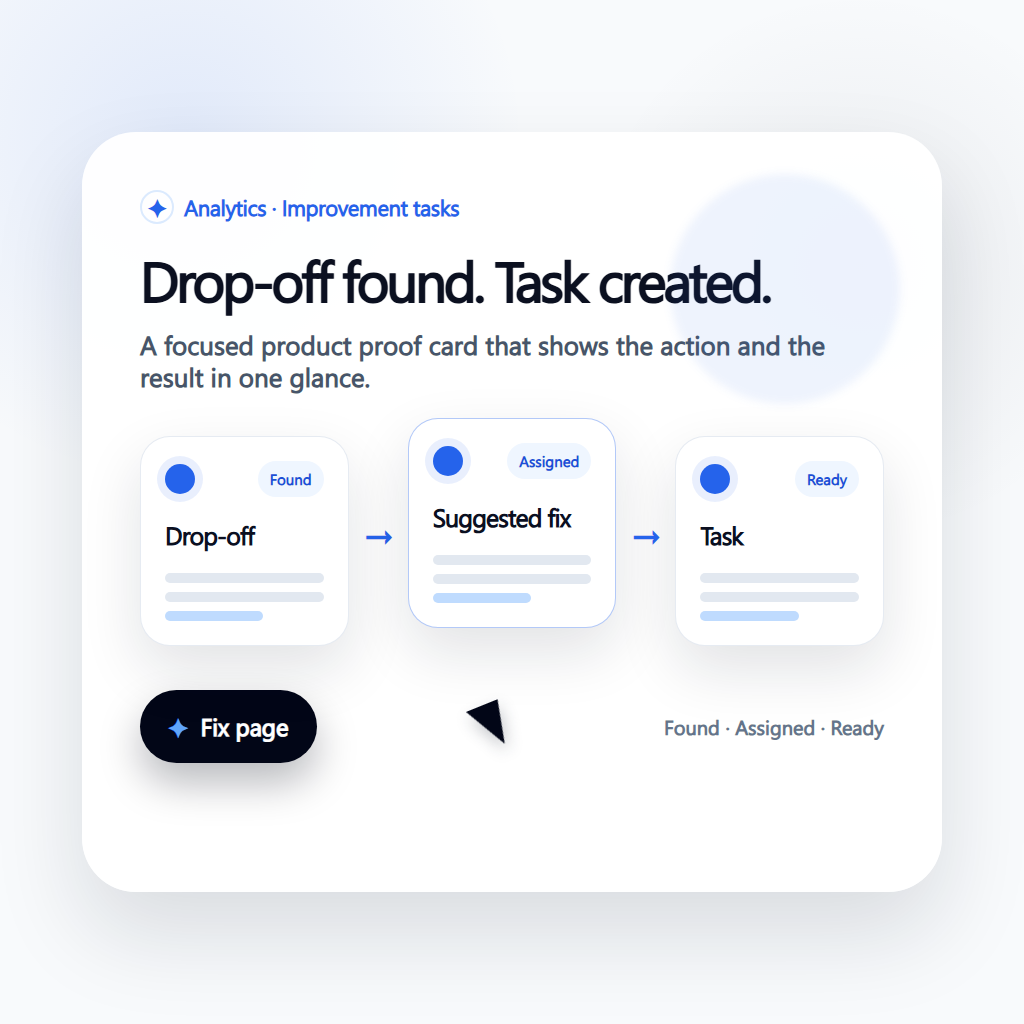
Post-Launch Operations
Support the work after the prompt: updates, SEO pages, conversion paths, customer follow-up, and workspace control.
Operational modules
How the connected workspace replaces scattered tools
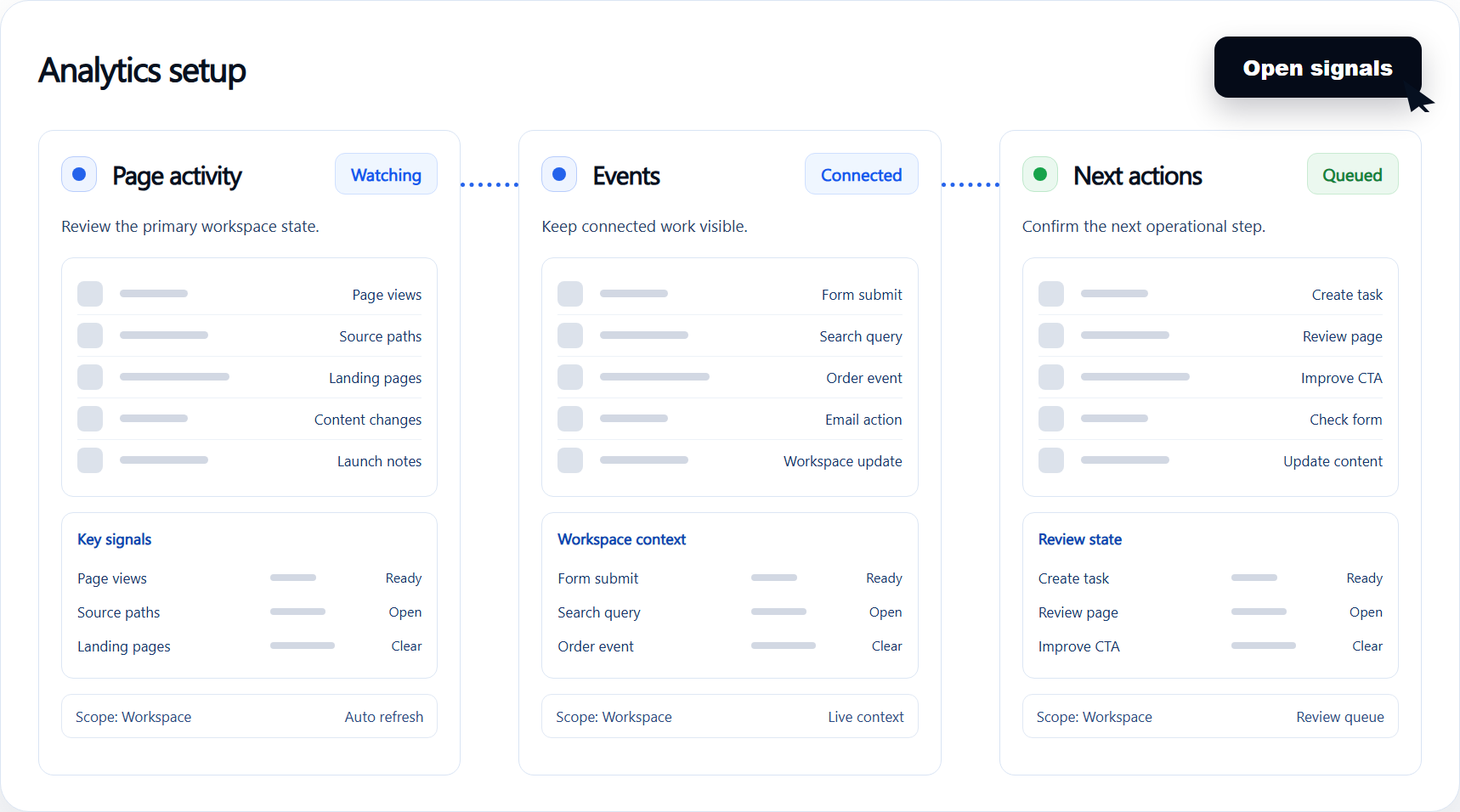
Each module connects a visible website surface to the behind-the-scenes work that keeps the page accurate, useful, and ready for follow-up.
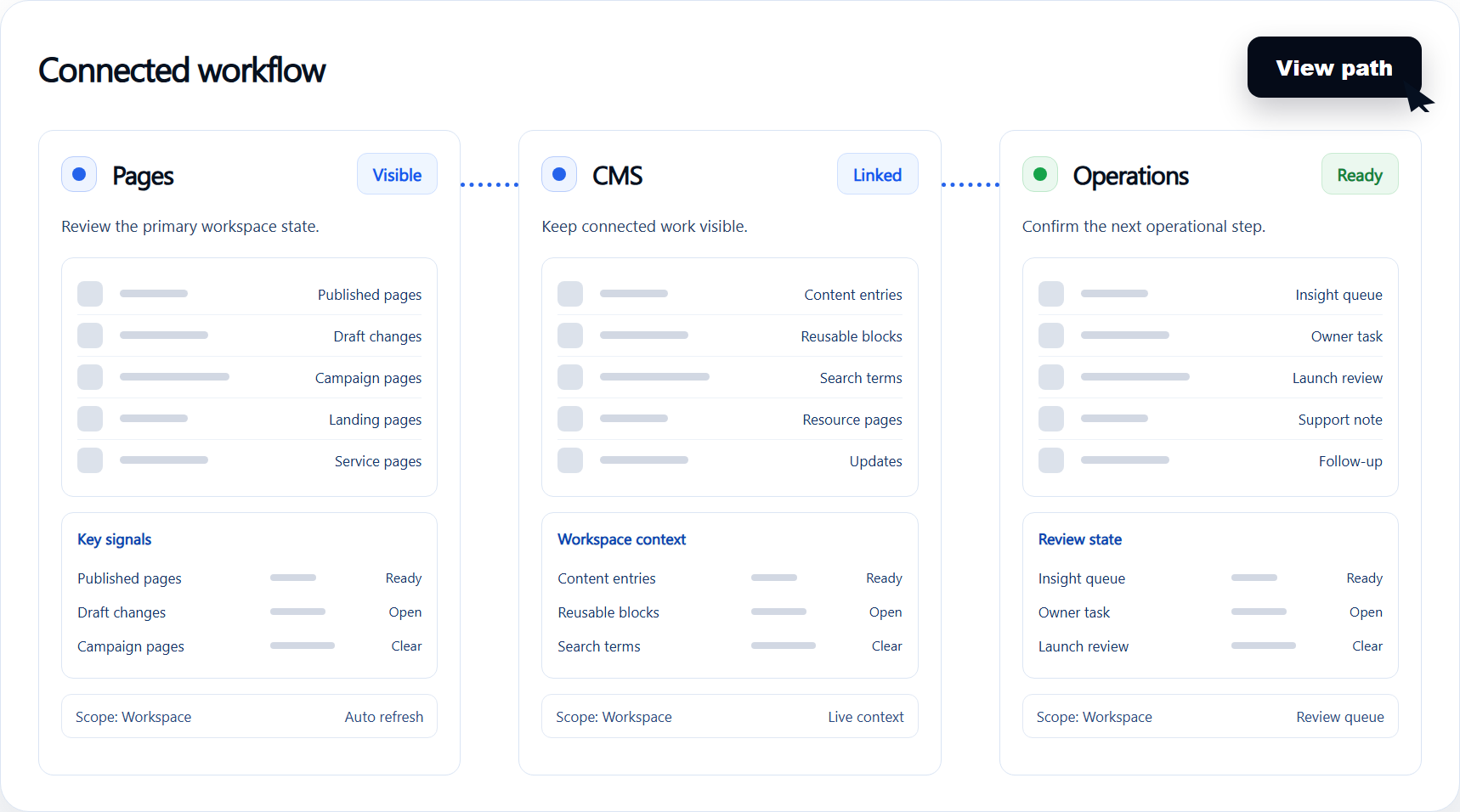
Module 1
Managed Website Foundation
Generate and improve websites inside a product system built for publishing, domains, templates, and business content.
Compete for AI website builder and AI app builder queries with a clearer managed-business-site angle.
Module 2
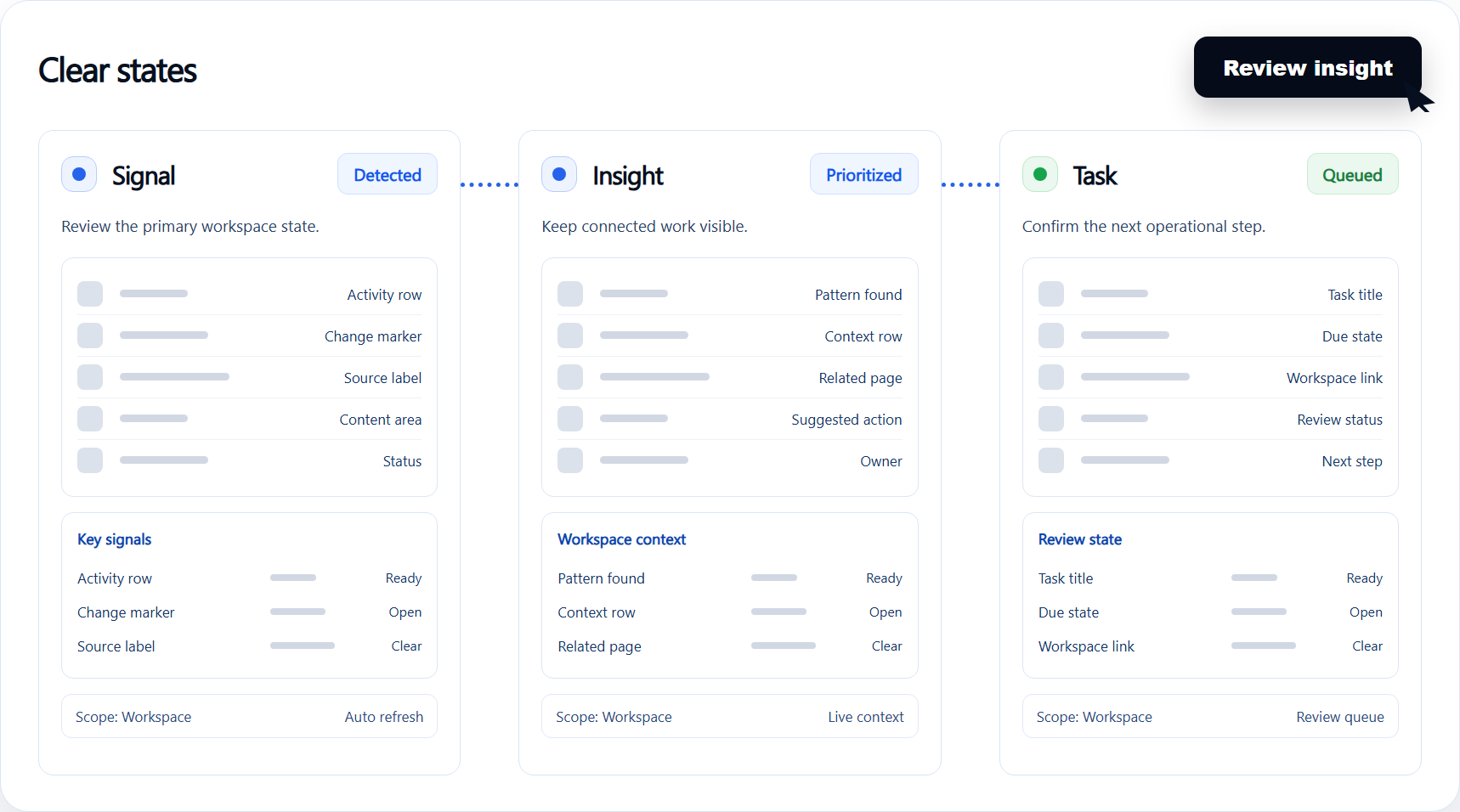
Business-Ready Surfaces
Keep forms, CMS, marketplace products, store paths, and analytics connected to the public site.
Avoid fighting only on code generation; emphasize live website operations and reusable business systems.
Module 3
Post-Launch Operations
Support the work after the prompt: updates, SEO pages, conversion paths, customer follow-up, and workspace control.
Create a bridge between prompt-to-site intent and small business launch intent.
Outcomes
Results to watch after switching
These are the business-level results to track once this workflow is live.
- 1
Compete for AI website builder and AI app builder queries with a clearer managed-business-site angle.
- 2
Avoid fighting only on code generation; emphasize live website operations and reusable business systems.
- 3
Create a bridge between prompt-to-site intent and small business launch intent.
Next
Comparison paths to review next
Move to related pages when you need to connect this path with publishing, forms, content, commerce, brand control, or workspace operations.