
Agencies delivering client websites at scale
Run client delivery with isolated workspaces, repeatable launch playbooks, and cleaner approval flow so teams can ship faster without losing account-level control.

Deliver client websites faster without sacrificing control
What agency delivery teams should publish first
Start with isolated client workspaces with safe boundaries, then make the page specific enough for a visitor to understand the offer, the proof, and the next action. This keeps the first version focused while still creating a foundation for client workspace isolation.
What should connect behind the page
The page should hand work to the right system after a visitor acts. Connect reusable templates, page systems, and CMS models to reusable delivery frameworks, ownership, status, and follow-up so the team is not copying context between tools.
How to know the rollout is working
Use handoff-ready operations and admin controls as the operational check, then measure whether ship more client launches per month with less production thrash. and whether reduce handoff friction between delivery, account, and support teams.. If those results are weak, improve the page structure before adding more traffic.
Readiness checks for agency delivery teams
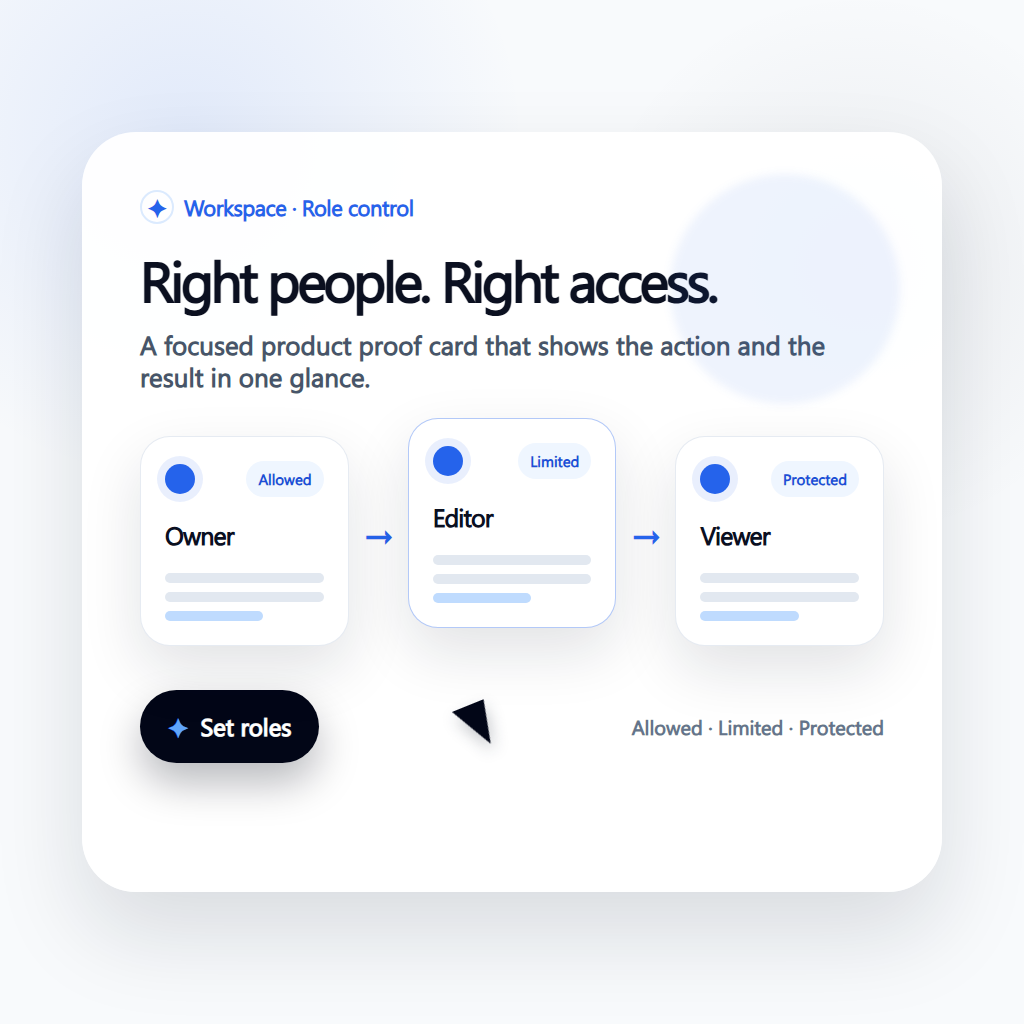
Visitor decision points
Make the page answer the questions a visitor has before they act: what is offered, why it is credible, what happens next, and how fast the team can respond. For agency delivery teams, client workspace isolation should be visible enough that the next step feels obvious rather than buried in a generic contact path.
Team ownership
Assign a clear owner for reusable delivery frameworks before launch. The page should have someone responsible for content accuracy, submission review, status updates, and stale information. That keeps the workflow useful when traffic, requests, or publishing volume increases.
Expansion path
Use Admin Control Solution and Workspace Management when the first version needs more depth. The goal is not to add features everywhere; it is to strengthen approval and handoff controls only where it helps ship more client launches per month with less production thrash. and reduce handoff friction between delivery, account, and support teams..
Capabilities agency delivery teams need after launch
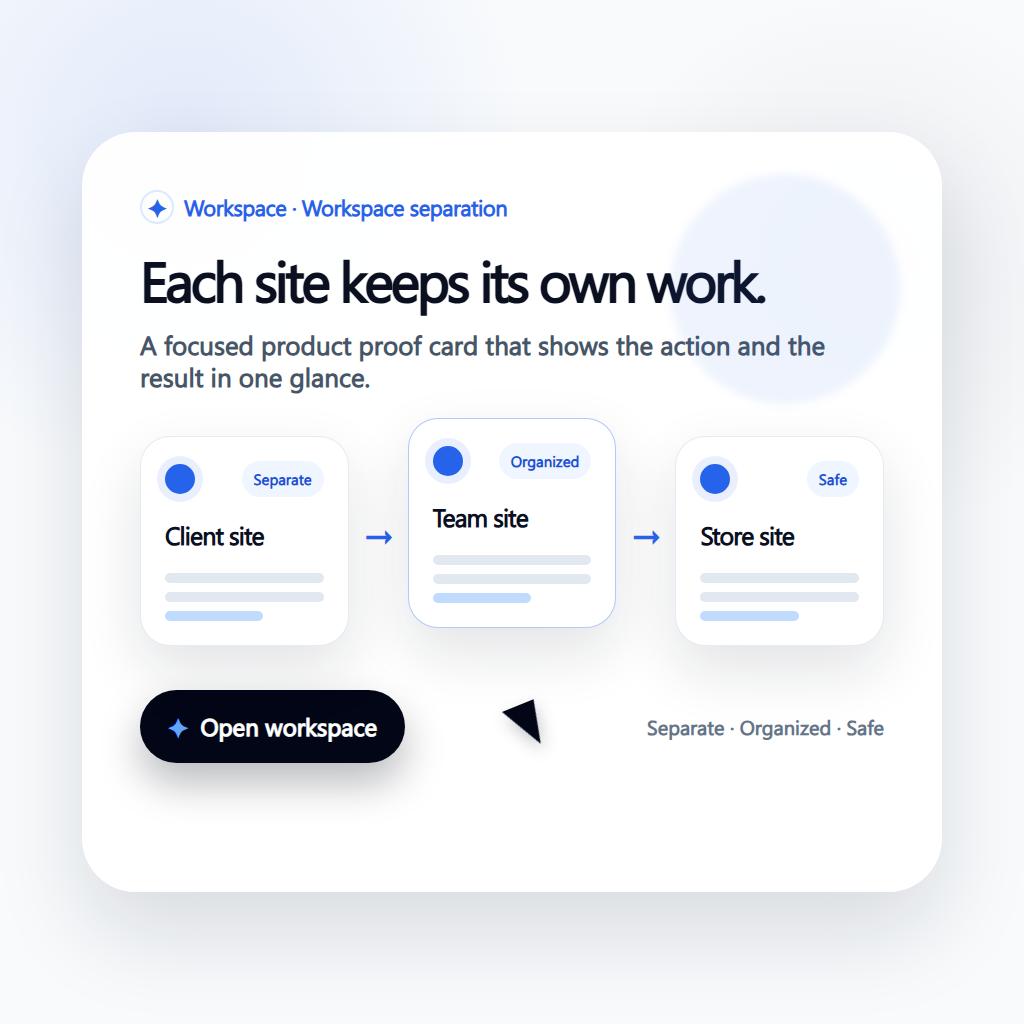
Client Workspace Isolation
Give every account its own pages, forms, content models, and roles so delivery stays clean.
Reusable Delivery Frameworks
Reuse proven page structures, intake forms, and launch checklists across client types.
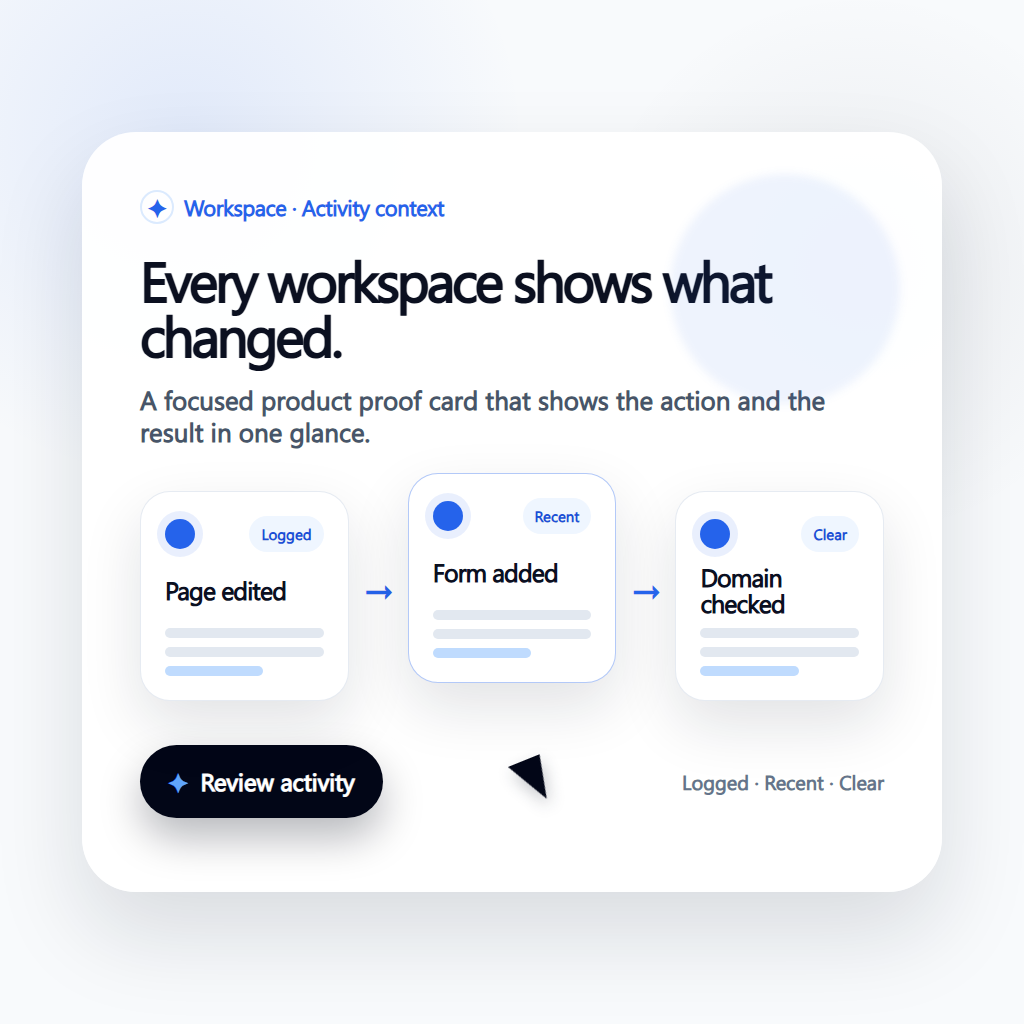
Approval and Handoff Controls
Move work from draft to client review to publish with fewer last-minute surprises.
How agency delivery teams use the workflow in daily operations
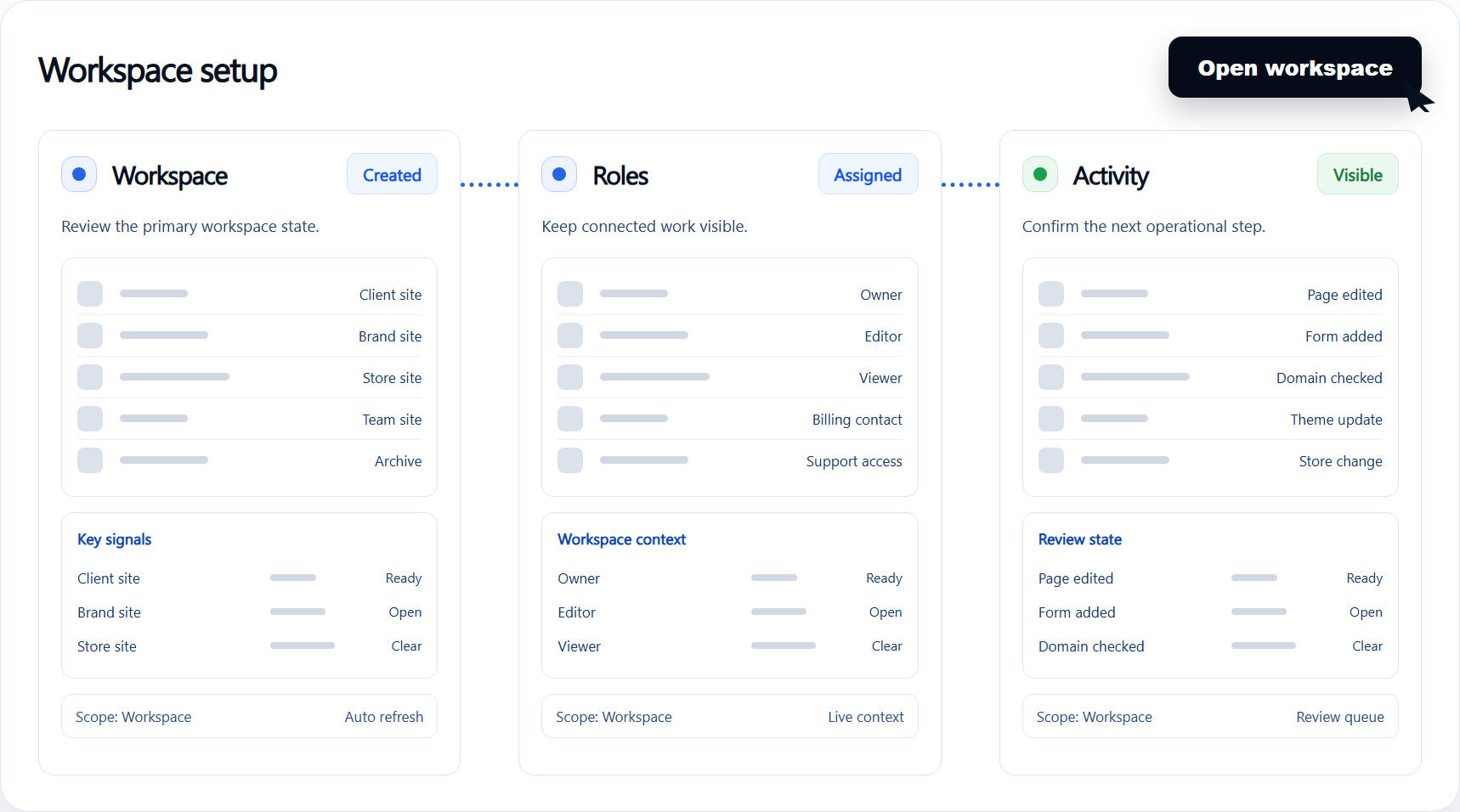
Client Workspace Isolation
Give every account its own pages, forms, content models, and roles so delivery stays clean.
Ship more client launches per month with less production thrash.
Reusable Delivery Frameworks
Reuse proven page structures, intake forms, and launch checklists across client types.
Reduce handoff friction between delivery, account, and support teams.
Approval and Handoff Controls
Move work from draft to client review to publish with fewer last-minute surprises.
Protect margins by reusing systems instead of rebuilding every engagement.
Deliver client websites faster without sacrificing control
Isolated client workspaces with safe boundaries
Reusable templates, page systems, and CMS models
Handoff-ready operations and admin controls
Results agency delivery teams should be able to track
- 1
Ship more client launches per month with less production thrash.
- 2
Reduce handoff friction between delivery, account, and support teams.
- 3
Protect margins by reusing systems instead of rebuilding every engagement.