Multi-brand teams with shared standards and separate identities
Operate each brand as its own website system while keeping governance, approvals, and shared platform controls aligned across the portfolio.

Keep shared governance while preserving brand identity
What multi-brand teams should publish first
Start with brand-level workspace separation, then make the page specific enough for a visitor to understand the offer, the proof, and the next action. This keeps the first version focused while still creating a foundation for brand workspace separation.
What should connect behind the page
The page should hand work to the right system after a visitor acts. Connect shared theme and content governance rules to shared design governance, ownership, status, and follow-up so the team is not copying context between tools.
How to know the rollout is working
Use independent publishing paths per brand as the operational check, then measure whether maintain unique brand voice without creating tool sprawl. and whether standardize compliance and approval paths across teams.. If those results are weak, improve the page structure before adding more traffic.
Readiness checks for multi-brand teams
Visitor decision points
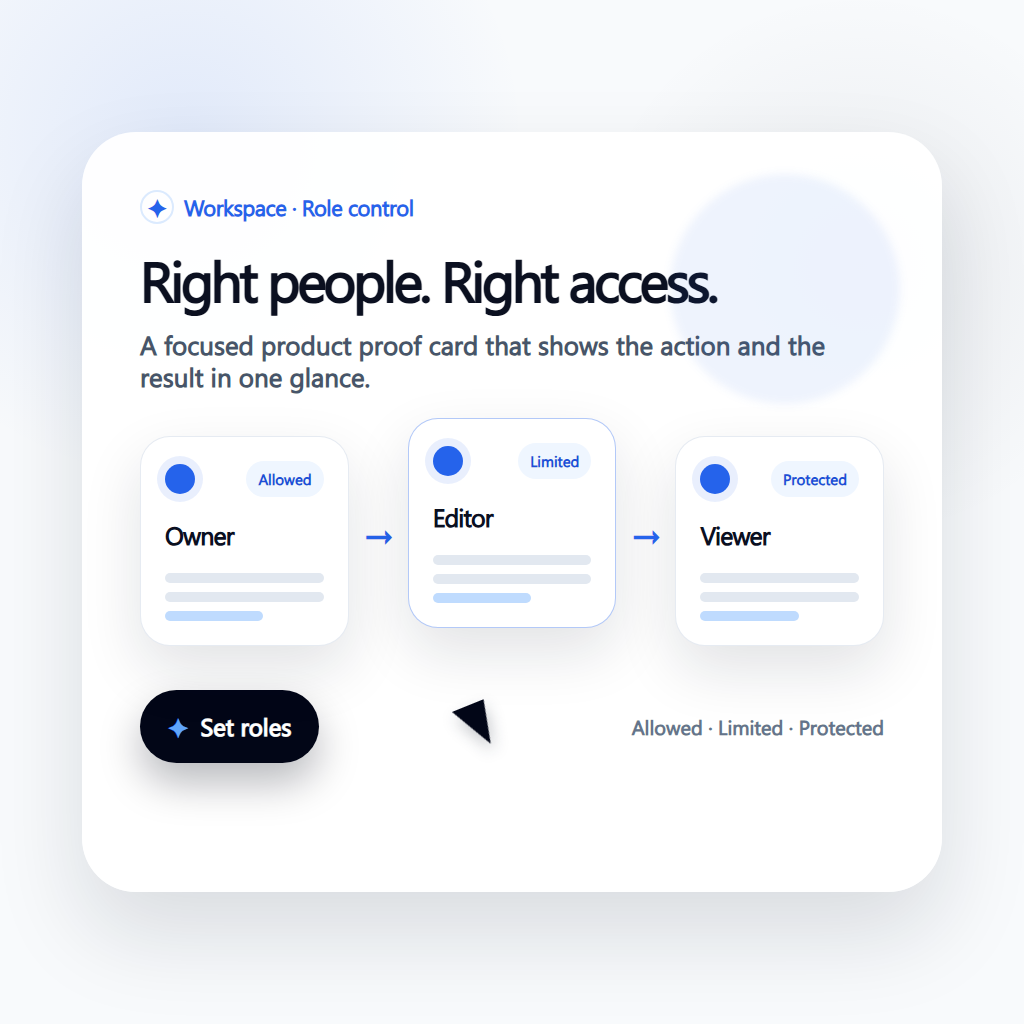
Make the page answer the questions a visitor has before they act: what is offered, why it is credible, what happens next, and how fast the team can respond. For multi-brand teams, brand workspace separation should be visible enough that the next step feels obvious rather than buried in a generic contact path.
Team ownership
Assign a clear owner for shared design governance before launch. The page should have someone responsible for content accuracy, submission review, status updates, and stale information. That keeps the workflow useful when traffic, requests, or publishing volume increases.
Expansion path
Use Brand Controls and Publish Sites Solution when the first version needs more depth. The goal is not to add features everywhere; it is to strengthen portfolio-level oversight only where it helps maintain unique brand voice without creating tool sprawl. and standardize compliance and approval paths across teams..
Capabilities multi-brand teams need after launch
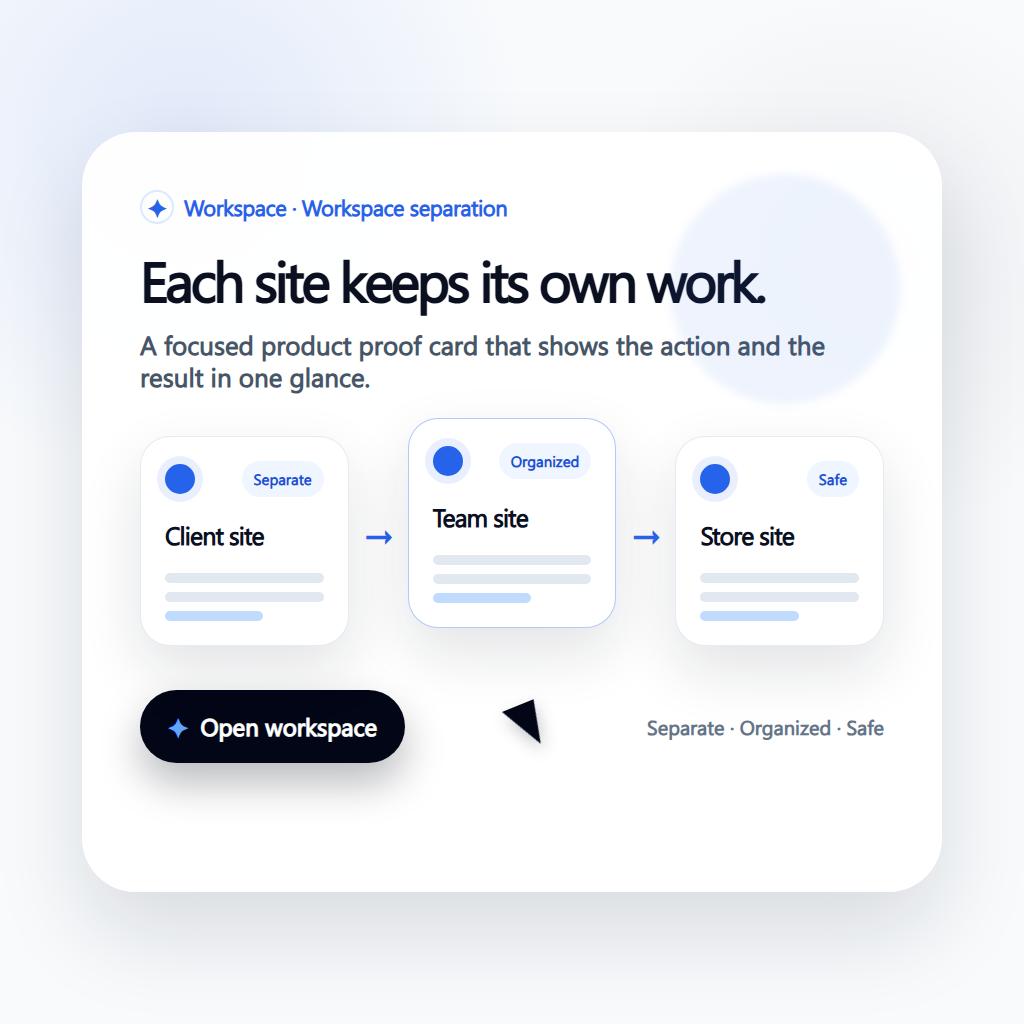
Brand Workspace Separation
Keep content, teams, and workflows scoped by brand so operations do not collide.
Shared Design Governance
Apply reusable brand rules, navigation standards, and publishing policies where needed.
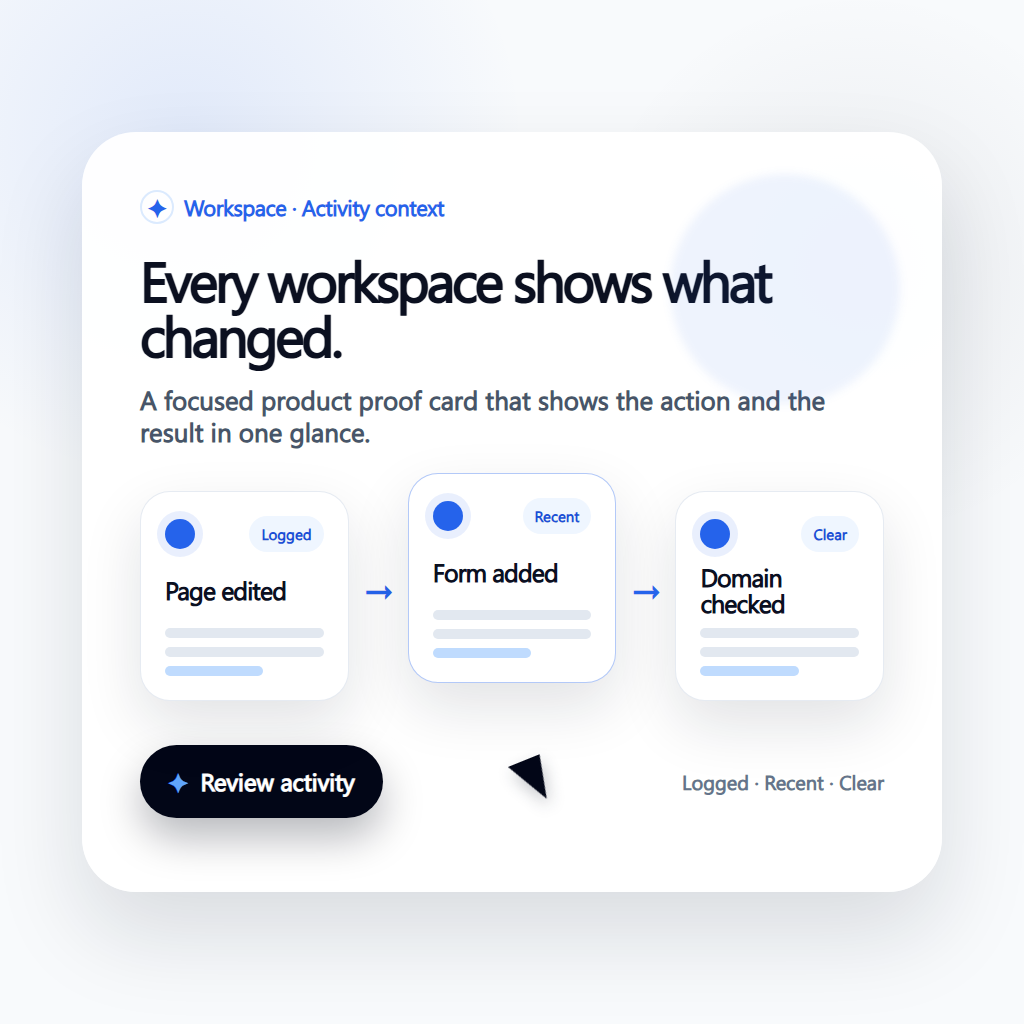
Portfolio-Level Oversight
Track readiness, changes, and release status across brands from one control layer.
How multi-brand teams use the workflow in daily operations
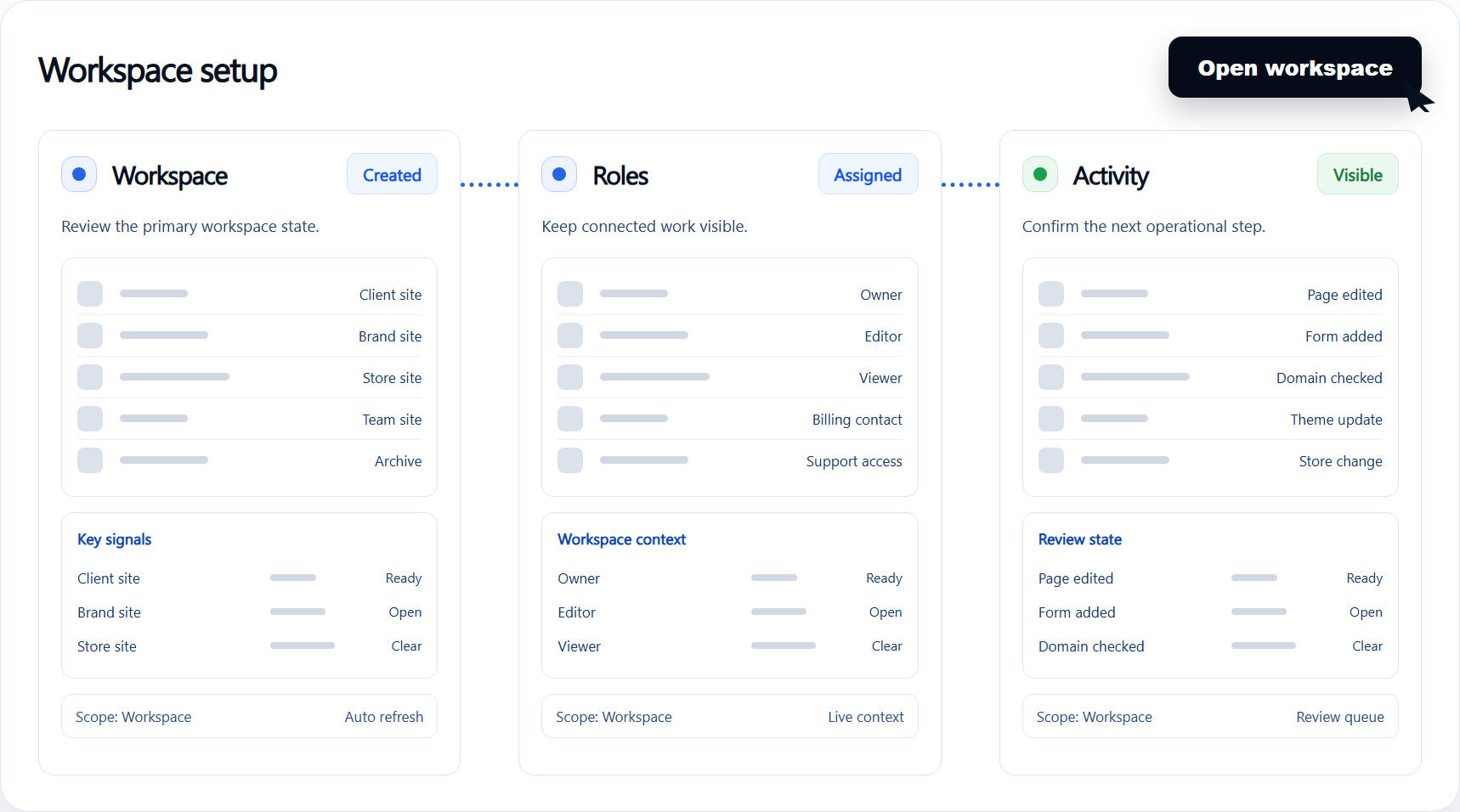
Brand Workspace Separation
Keep content, teams, and workflows scoped by brand so operations do not collide.
Maintain unique brand voice without creating tool sprawl.
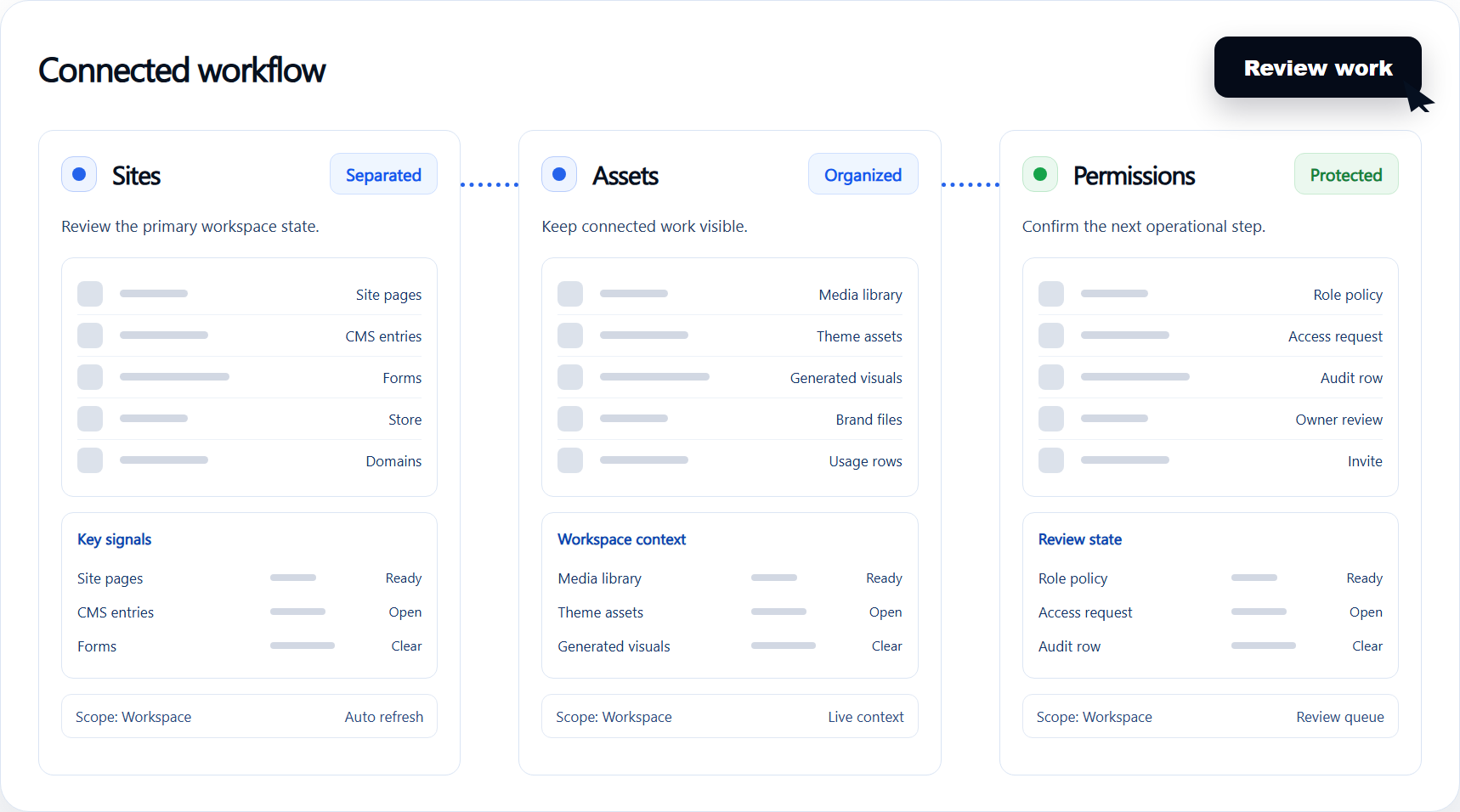
Shared Design Governance
Apply reusable brand rules, navigation standards, and publishing policies where needed.
Standardize compliance and approval paths across teams.
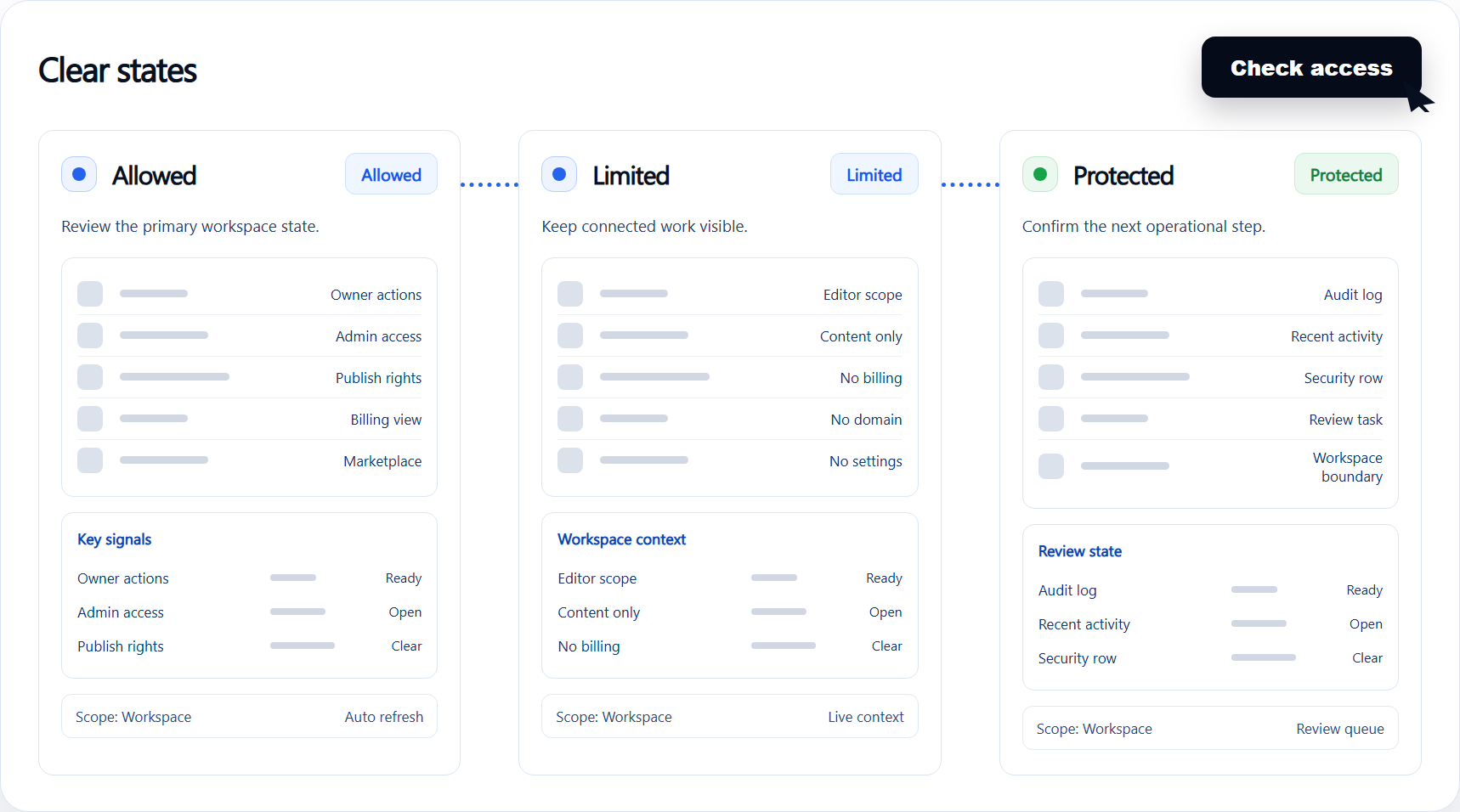
Portfolio-Level Oversight
Track readiness, changes, and release status across brands from one control layer.
Improve executive visibility into what is live, pending, and blocked.
Keep shared governance while preserving brand identity
Brand-level workspace separation
Shared theme and content governance rules
Independent publishing paths per brand
Results multi-brand teams should be able to track
- 1
Maintain unique brand voice without creating tool sprawl.
- 2
Standardize compliance and approval paths across teams.
- 3
Improve executive visibility into what is live, pending, and blocked.